2026-09-16 · Dave Larson
Why Mice Get Into Wausau Homes During Fall and Winter
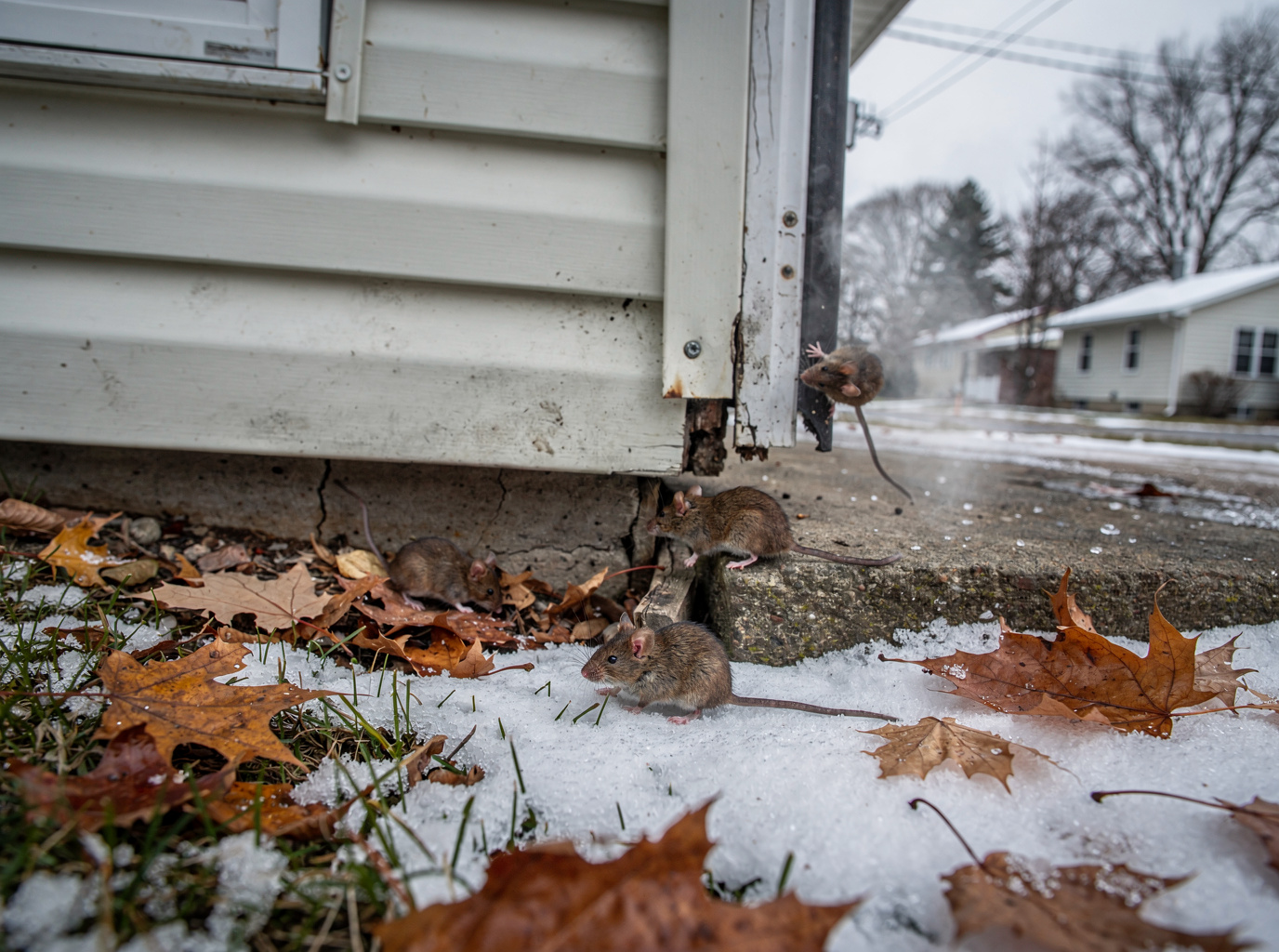
Mice begin entering Wausau homes in early fall when overnight lows dip below 50 degrees and continue through winter as the humid continental climate brings prolonged freezes. This seasonal shift drives house mice from fields and riverbanks toward consistent warmth and food sources inside structures built before modern sealing standards.
Seasonal Behavior of Mice in Marathon County
Mice in Marathon County follow predictable patterns tied to the long cold winters and warm summers. As crops are harvested around Stevens Point and Marshfield, rodents lose outdoor cover and food. They move toward residential zones along the Wisconsin River where homes retain heat. In neighborhoods like the East Side and Rib Mountain, mice exploit foundation cracks and attic vents once temperatures stay below freezing for weeks. This migration peaks between October and December when mice seek nesting sites that protect them from wind chill and snow cover. Homeowners notice increased activity near garages and crawl spaces because these areas offer easy access to insulation and stored items. The pattern repeats every year because the region's terrain and climate create reliable pressure on rodent populations to relocate indoors.
Common Entry Points in Older Wausau Homes
Older homes throughout Downtown Wausau and the West Side contain numerous gaps that mice use during fall and winter. These structures often feature original siding, unsealed utility lines, and attic openings that allow entry for mice as small as a dime. Mice target dryer vents, soffits, and areas around the Wisconsin River floodplain where soil shifts create foundation cracks. Once inside, they travel through wall voids to reach kitchens and pantries. Residents in Schofield report similar issues in homes built near wooded edges. Understanding these routes helps explain why simple trapping fails without addressing the actual openings. Common Mouse Entry Points in Older Wausau Homes details the specific vulnerabilities found in local construction.
How Local Terrain and Climate Affect Rodent Pressure
The combination of Rib Mountain State Park terrain and Marathon County's humid continental climate increases winter rodent pressure on homes. Steep slopes and river proximity create moist soil conditions that push mice toward drier indoor spaces once snow arrives. In the Longfellow and Northwest neighborhoods, older housing stock with 2x4 framing leaves larger gaps than newer builds. Mice can squeeze through openings as narrow as 1/4 inch, allowing quick access when temperatures drop below 20 degrees for extended periods. Nearby cities like Marshfield experience the same influx because similar agricultural edges border residential zones. This environmental reality means exclusion work must account for both seasonal timing and the specific construction details of each property.
Practical Steps for Preventing Winter Entry
Effective prevention starts with sealing before the first hard freeze. Focus on gaps around pipes, vents, and foundation walls using steel wool and caulk rated for cold temperatures. Homeowners in Forest Park and Southeast Side areas benefit from checking rooflines and soffits where ice dams form and create new openings. Store firewood away from the house and secure trash to reduce attractants. Rodent Exclusion addresses these points with methods suited to Wausau's older homes and winter conditions. Regular inspections before October help identify problems early. Scratching Noises in Walls at Night: Mice or Something Else? explains how to distinguish mouse activity from other sounds common in local attics during cold months.
When to Address an Active Infestation
If mice have already entered, prompt action prevents damage to insulation and wiring in homes across Wausau. Focus first on locating and sealing active entry points rather than relying solely on traps. Properties near the Leigh Yawkey Woodson Art Museum or Wausau Center often share similar construction details that allow rapid spread between units. Professional inspection identifies nesting sites in attics and crawl spaces that DIY methods miss. Addressing the issue before deep winter reduces the chance of mice surviving until spring thaws. This approach matches the realities of working in Marathon County where cold weather extends the time rodents remain indoors once they gain access.