2026-09-16 · Dave Larson
Scratching Noises in Walls at Night: Mice or Something Else?
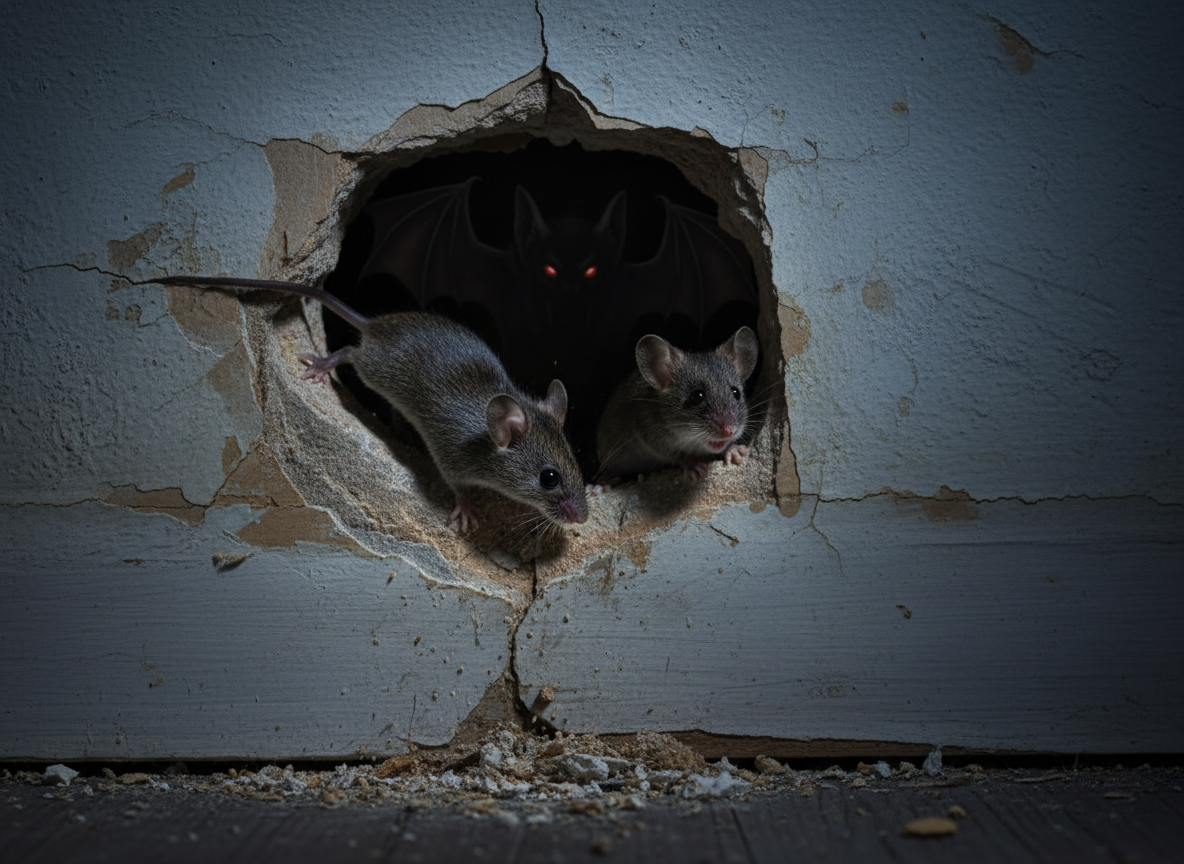
Scratching noises in walls at night in Wausau are most often produced by mice traveling through voids in search of warmth once temperatures drop in the humid continental climate.
Distinguishing Mouse Activity from Other Wildlife
Wausau homes built before 1960 in neighborhoods like Downtown Wausau and the East Side typically feature plaster-and-lath walls with gaps that allow mice easy travel between floors. Mice produce light, rapid scratching that lasts seconds and repeats every few minutes throughout the night. Squirrels, by contrast, create heavier thumps and pauses longer between bursts, often stopping entirely after midnight. Raccoons generate louder, more deliberate sounds that may include chewing on larger items. In Marathon County, the long winters push all three species indoors, but mice remain active at lower temperatures than squirrels, which explains why noises persist from November through March even when outdoor activity slows.
How Local Climate and Terrain Influence Rodent Behavior
The shift from warm summers to extended freezes drives mice from riverbanks along the Wisconsin River into structures on the West Side and Rib Mountain. Older homes near the Wausau Center retain heat in wall cavities, creating ideal runways that mice follow between kitchens and attics. Schofield properties near lower elevations see increased activity after heavy snow because melting water pools against foundations and softens soil, allowing easier burrowing under siding. Residents in nearby Stevens Point and Marshfield report the same pattern, confirming that cold snaps rather than isolated events trigger the noises. These conditions make inspection of sill plates and utility entries essential before assuming the source is mice alone.
Entry Points Common in Wausau Housing Stock
Homes on the East Side and in Forest Park often have gaps around dryer vents and cable lines that measure 1/4 inch or larger, exactly the size mice need. Common Mouse Entry Points in Older Wausau Homes details how unsealed openings in brick and wood siding allow repeated access once winter arrives. Checking for droppings the size of rice grains near baseboards helps confirm mice rather than larger animals. When noises occur only near rooflines, the source may be roof rats or squirrels instead, which requires different exclusion tactics. A thorough check of both interior and exterior walls prevents misidentification that wastes time on the wrong approach.
Steps to Confirm the Source Before Action
Begin by placing a few peanut-butter-baited traps along suspected runways for one night and note which ones activate. Record the exact hours the scratching occurs using a phone app; mice stay active from dusk until dawn while squirrels taper off earlier. If droppings appear in clusters near food sources, mice are the likely culprit. For noises that continue after traps stay empty, inspect attics for larger nesting material such as insulation pulled into balls. Why Mice Get Into Wausau Homes During Fall and Winter explains the seasonal triggers that make these checks more reliable in Marathon County. Once the animal is identified, targeted removal followed by sealing prevents recurrence without broad chemical use.
When Professional Inspection Becomes Necessary
Persistent scratching after two weeks of monitoring usually means multiple mice or an animal too large for simple trapping. At that point, a service focused on Mice Removal & Control can locate the full run and apply exclusion methods suited to Wausau's older construction. Technicians familiar with Rib Mountain terrain know how to seal entries without trapping moisture that leads to mold in humid summers. Delaying confirmation risks damage to wiring and insulation that older homes cannot easily replace. Early identification based on sound patterns, droppings, and timing keeps the solution straightforward and localized to the actual problem.